



By using our website, you agree to the use of cookies as described in our Cookie Policy
Is Your Charlotte Roof Ready for Another Summer Storm Season?
Summer weather in Charlotte isn't just about heat and humidity. It's about sudden downpours that flood streets in minutes. Wind gusts that snap branches and rip shingles loose. Hail that pounds rooftops like a drum solo nobody asked for. And when that storm rolls through at three in the morning, you'll find out fast whether your roof can handle it or not.
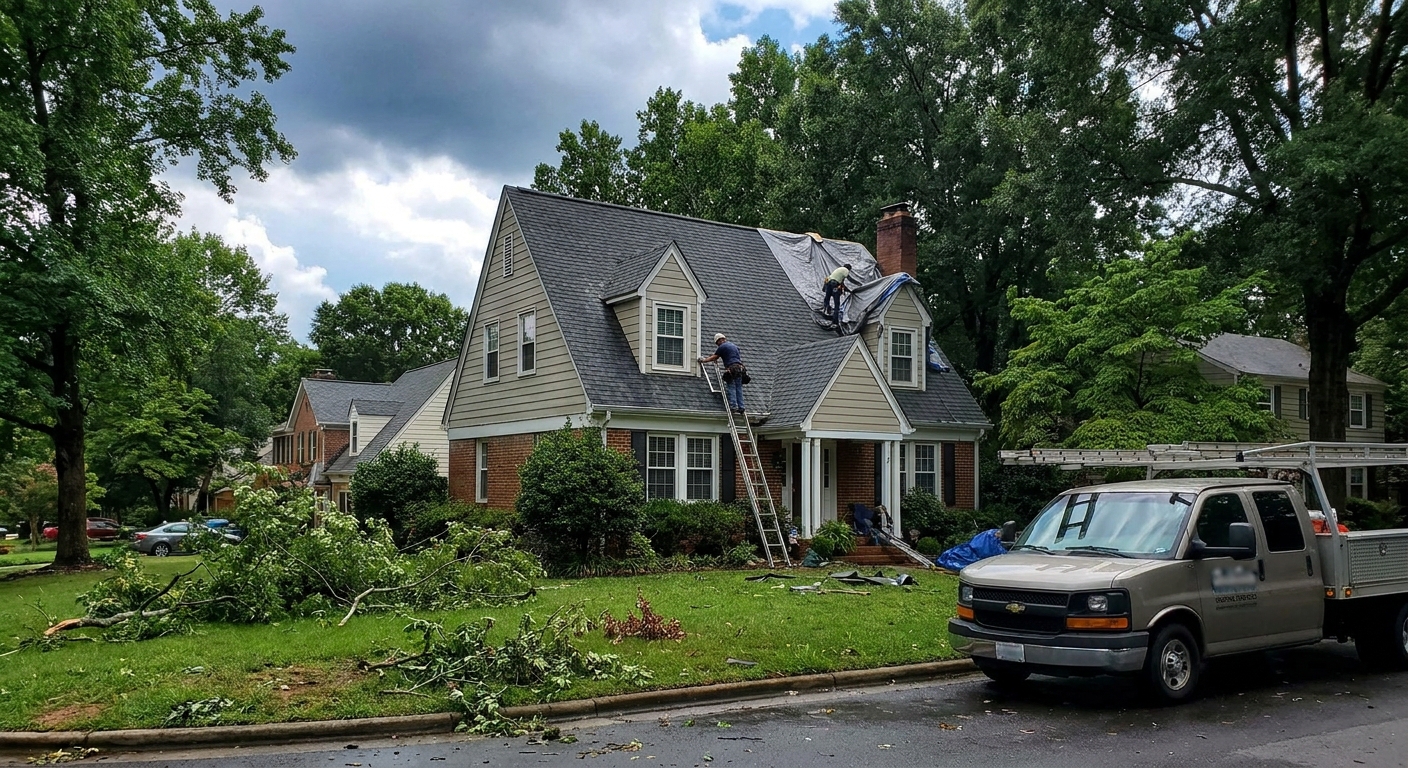
Most homeowners wait until water's dripping into the living room before they even think about the roof. By then, the damage is done. The fix costs more. And the insurance claim gets messy. But if you catch the weak spots now—before the first big storm—you save yourself the chaos and the cash.
What Charlotte Weather Does to Roofing Systems
The Queen City sits in a zone where summer storms form fast and hit hard. We're talking afternoon thunderstorms that roll in with zero warning, dump two inches of rain in twenty minutes, then disappear. Those bursts of intensity put stress on every part of your roof—shingles, underlayment, flashing, gutters, all of it.
And it's not just the rain. Wind speeds during severe storms can peel back shingles that were already loose or worn down. Hail leaves dents and cracks that might not leak today but will in six months. UV exposure between storms degrades materials faster than you'd think. So even if your roof survived last summer, that doesn't mean it's ready for this one.
The Weak Points That Let Water In
Roofs don't fail all at once. They develop small vulnerabilities that turn into big problems when conditions get rough. You might not see the issue from the ground, but it's up there waiting.
- Shingles that have curled edges or missing tabs from age or wind damage
- Flashing around chimneys and vents that's pulled away or rusted through
- Granules washing into gutters, which means your shingles are losing their protective layer
- Gutters packed with debris that force water to back up under the roofline
- Soft spots or sagging areas that indicate underlying deck damage
Interior Clues You Shouldn't Ignore
Sometimes the roof tells you it's failing from the inside. Water stains on your ceiling or along the top of walls are obvious red flags. But there are subtler signs too—like a musty smell in the attic, or insulation that feels damp when it should be bone dry.
These aren't things that fix themselves. They get worse with every storm. And if you're seeing interior damage, the exterior problem is already well established. That's why inspections matter before the weather turns.
Getting Ahead of the Next Downpour
Waiting for a leak is the wrong strategy. The right move is a proactive sweep of your roof's condition while the skies are still clear. That gives you time to make repairs without the pressure of an incoming storm or a soaked bedroom.
- Bring in a licensed roofer to inspect the entire system, not just the surface
- Replace any damaged or missing shingles before wind gets underneath them
- Reseal or replace flashing that's cracked, bent, or pulling away
- Clear gutters and downspouts so water flows away from the foundation
- Cut back tree limbs that hang over the roofline and could snap during high winds
Why DIY Roof Work Backfires
Climbing a ladder with a hammer and a few shingles sounds simple enough. But roofing isn't a weekend hobby. The pitch, the heat, the materials—all of it adds up to serious risk if you don't know what you're doing. And even if you make it up there safely, improper repairs can void warranties or create new leaks.
Professional roofers carry insurance, use the right tools, and know how to spot problems that aren't obvious to the untrained eye. They also work faster and safer. If you're tempted to patch something yourself, ask whether saving a few bucks is worth the liability if something goes wrong.
What Happens When You Skip Maintenance
Ignoring your roof doesn't make problems disappear. It just lets them compound. A missing shingle becomes a rotted deck. A clogged gutter becomes foundation damage. A small leak becomes mold in the walls.
- Water intrusion spreads through insulation and drywall faster than you'd expect
- Structural wood can rot or warp, requiring expensive framing repairs
- Mold and mildew create health risks and drive up remediation costs
- Energy efficiency tanks when insulation gets soaked and loses its R-value
- Resale value drops if buyers see visible roof damage or interior water stains
The Real Cost of Storm Damage
Emergency roof repairs after a storm aren't cheap. Contractors are slammed, materials might be backordered, and you're stuck paying premium rates because you have no choice. Compare that to routine maintenance, which costs a fraction and keeps your roof in fighting shape year-round.
Insurance might cover storm damage, but only if the roof was in decent condition to begin with. If the adjuster finds pre-existing wear and tear, they'll deny the claim or reduce the payout. That's another reason to document your roof's condition now and keep receipts for any work you do.
How Often Inspections Should Happen
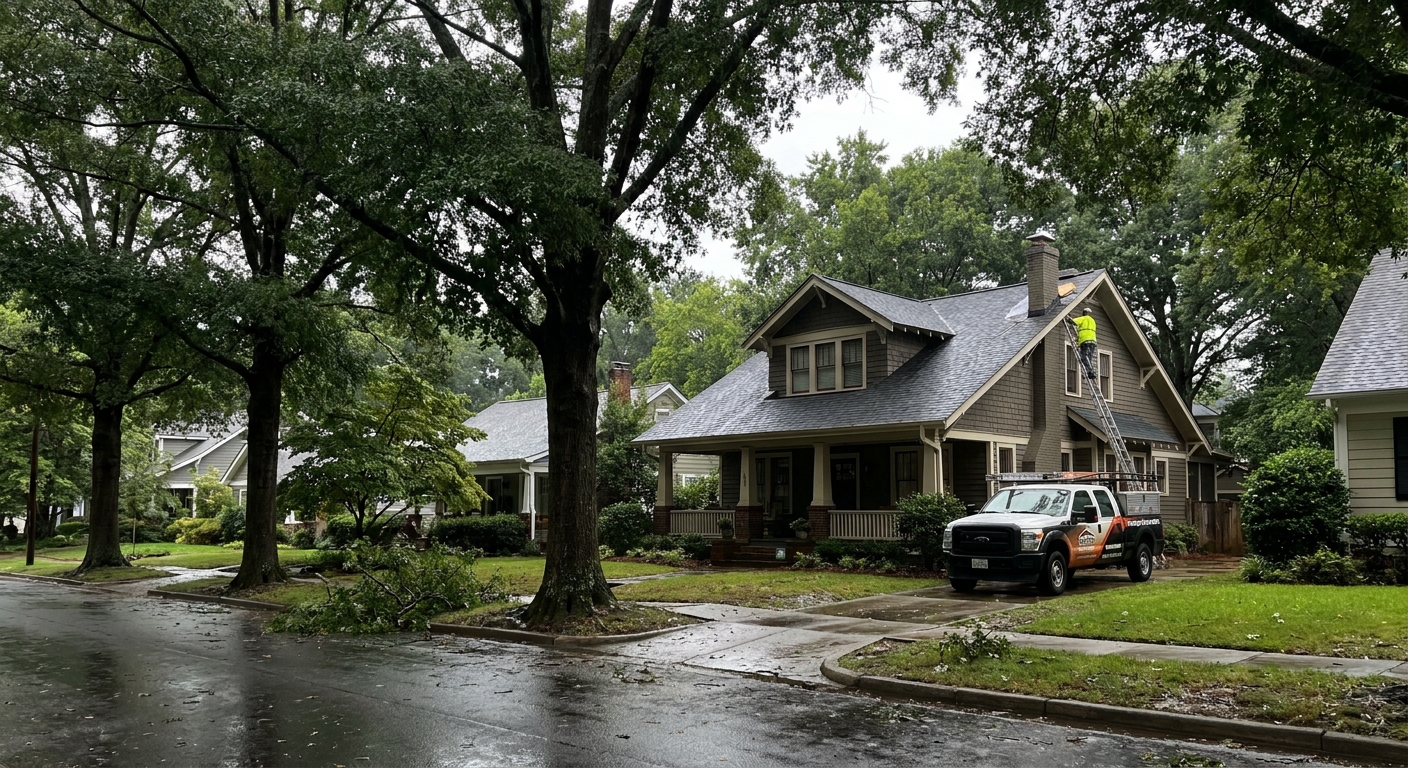
Once a year minimum, ideally in late spring before storm season kicks in. If you've had a major weather event—high winds, hail, fallen branches—schedule an inspection right after. Don't assume everything's fine just because you don't see water inside.
- Annual inspections catch small issues before they escalate
- Post-storm checks identify hidden damage that might not show up immediately
- After-repair follow-ups ensure the work was done correctly and nothing was missed
- Pre-sale inspections give you leverage to fix problems before listing your home
Choosing a Roofer Who Shows Up
Not all roofing companies operate the same way. Some disappear after cashing your deposit. Others use subpar materials or cut corners on installation. You want a contractor with a solid local reputation, proper licensing, and a warranty that actually means something.
Ask for references. Check reviews. Verify insurance. And get everything in writing before work starts. If a roofer pressures you to sign on the spot or offers a deal that sounds too good to be true, walk away.
Storm Season Doesn't Wait
Charlotte's summer storms will arrive whether your roof is ready or not. The question is whether you'll be scrambling to find a tarp and a bucket, or whether you'll ride out the downpour knowing your home is sealed tight. That decision gets made now, not when the thunder starts rolling in.
Take the time to inspect, repair, and reinforce. Your roof is the one thing standing between your family and everything the sky throws down. Treat it like the investment it is, and it'll protect you when it matters most. For comprehensive exterior renovations in Charlotte, professional rain gutter installation, or to request a quote for your roofing needs, contact Greenleaf Building Group today.
Let’s Get Your Roof Storm-Ready Together
We know how unpredictable Charlotte’s summer weather can be, and we’re here to help you stay ahead of the next big storm. Let’s work together to make sure your roof is ready for whatever the season brings. If you’re ready to protect your home and avoid costly surprises, give us a call at 980-704-7740 or request a quote and let’s get started on your peace of mind.
‹ Back