




By using our website, you agree to the use of cookies as described in our Cookie Policy
Are Your Charlotte Gutters Ready for the Next Heavy Rain?
Most homeowners think gutters are just about keeping water off the porch. Rain comes, rain goes. But your foundation sees more than that — and if you don't, you're asking for trouble. Gutters may not seem critical until they fail, but they leave a footprint on your home's structure. Especially when storms hit hard and fast.
So here's the deal. If you're maintaining a home in Charlotte, that's great. Just don't treat your gutters like they're maintenance-free. Every downpour should have a clear path. Every overflow needs attention. And every inspection should be grounded in how the system performs — not just how it looks from the curb.
When Water Flows Right and When It Doesn't
Nine times out of ten, gutters work fine — until they don't. Water hits the roof, runs through the channels, exits through downspouts. That's drainage, not disaster. The problem isn't the rain itself, only what happens when the system can't handle it.
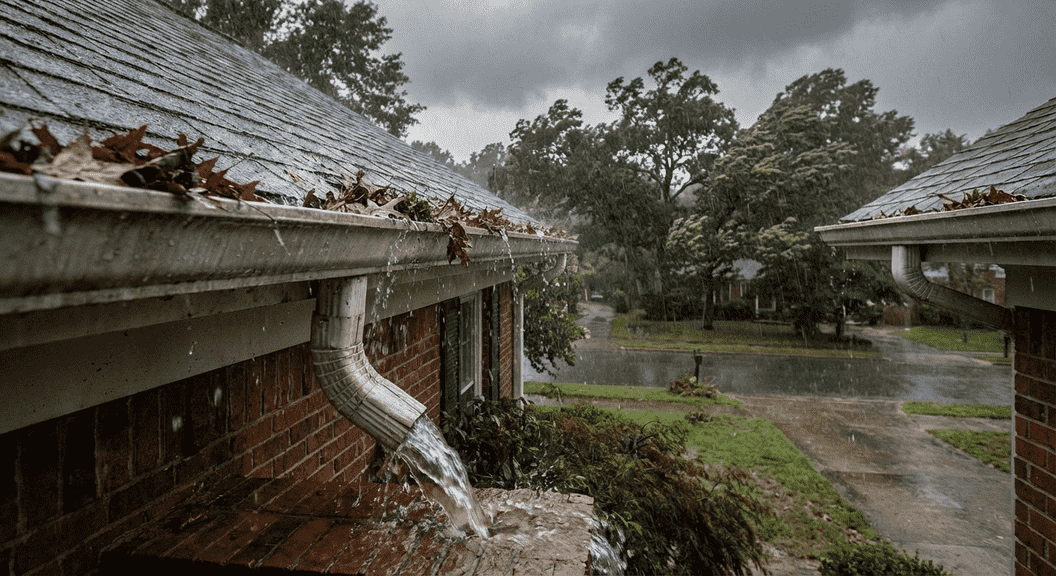
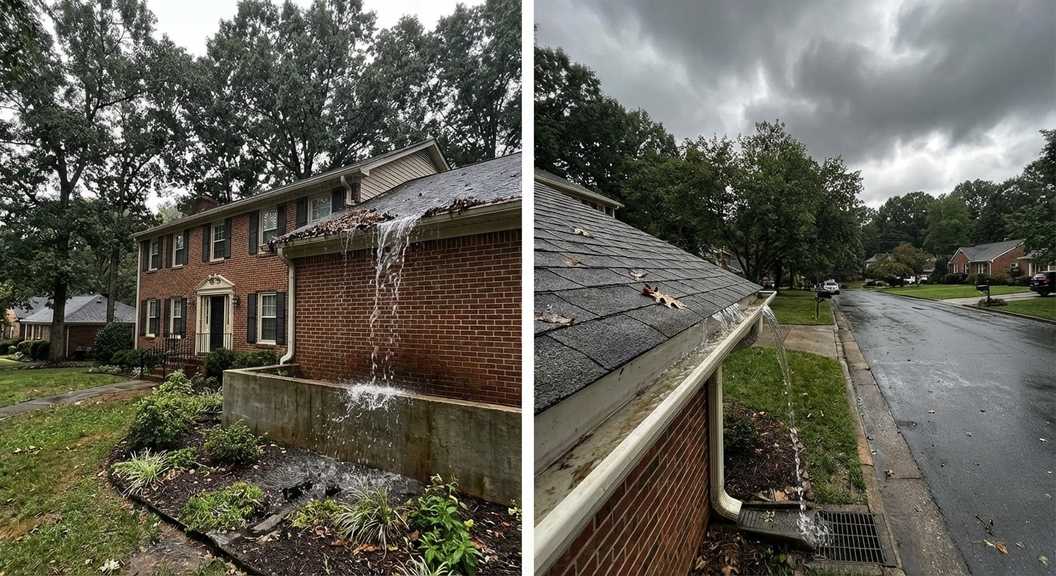
But if those gutters get clogged? Different story. Blocked channels can cause overflow, especially if debris didn't get cleared before storm season. We saw this play out in real time during Charlotte's heavy spring rains. Plenty of homeowners thought their gutters were fine — they weren't. And when water backs up, it finds cracks in your siding, seeps into your foundation, or floods your basement unless you catch it early.
The Debris You Can't Ignore
You can't prevent leaves from falling — that's just nature doing its thing. But the buildup? That's often avoidable. Charlotte's tree-lined streets mean constant debris, and gutters that aren't cleared regularly turn into clogged troughs.
Here's where that matters most:
- Pine needles: They mat together and block downspouts faster than you'd think, creating dams that trap water.
- Fallen leaves: Accumulation happens quickly in fall, and even a few inches can redirect water over the edge instead of through the system.
- Roof shingle granules: These wash down over time and settle in gutters, adding weight and reducing flow capacity.
- Twigs and branches: Storm debris doesn't just blow away — it lands in your gutters and stays there until you remove it.
- Pollen and dirt: It sounds minor, but this sludge combines with other debris to form thick blockages that water can't penetrate.
When Maintenance Gets Skipped
Want to avoid overflow? You'll need to prove your gutters are clear — and that water has a path to exit. Charlotte's weather has three main pressure points:
- You had recent heavy rain that tested the system
- You intended to clean gutters but kept putting it off
- You had visible debris but assumed it wasn't enough to cause problems
Miss one of those, and the damage starts. Even if the gutters technically stayed attached to your house. And if any section is sagging or pulling away? That portion's compromised too. No partial fixes for a system that needs full functionality, even if one side looks fine from the driveway.
Charlotte Has Storms and Some Homes Can't Handle Them
If your neighborhood has mature trees and your home hasn't had a gutter cleaning in over a year, there's a ceiling on what your system can handle. Heavy rainfall kicks in and tests how much volume can move through before it overflows.
You'll need to inspect regularly and run the numbers to see how much gets through. Most homes won't face catastrophic failure — but those that do need to be strategic. Especially if they're in low-lying areas or dealing with multiple drainage challenges.
Your Home Protection Is Only As Good As Your Upkeep
Want to keep water damage at bay? Show your work. You'll need more than a quick glance from the ground to back up your system's readiness.
Here's what your maintenance routine should include:
- Visual inspection from a ladder, checking for clogs and damage
- Downspout testing to confirm water exits properly and doesn't pool near the foundation
- Gutter flushing with a hose to identify slow drainage or hidden blockages
- Evidence of what caused any overflow — photos, notes on debris type, etc.
If a storm hits and you're not prepared, the water won't just take your word for it. Mixing neglect with heavy rain is one of the fastest ways to face foundation issues. So if those gutters haven't been touched since last year, you'd better have a plan before the next downpour.
Where Most Homeowners Slip Up
Assuming Gutters Self-Maintain: Thinking debris will just wash away on its own? It won't. Leaves and buildup stay put until you remove them. Waiting until you see overflow means you've already got a problem.
Forgetting to Check Downspouts: Don't wait until storm season to confirm your downspouts drain properly. If water backs up, you're creating pressure that can damage seams and joints. Test flow monthly. It's simple. It works.
Ignoring Gutter Slope Issues: If sections are sagging or improperly angled, water pools instead of flowing. That's a red flag area. If you didn't install them correctly — or they've shifted over time — standing water will rust through metal and rot wood fascia. Check the pitch and don't guess. That's what rain gutter professionals are for.
When to Call In a Pro
If your gutter system includes multiple problem areas, visible damage, or anything that's caused overflow before, you're in territory where DIY gets risky. A gutter specialist helps you identify which sections need repair and which need replacement, apply proper slope corrections if you're dealing with standing water, separate minor clogs from structural issues cleanly, and handle downspout extensions and drainage solutions.
It's not just about avoiding a mess this season. It's about setting up clean habits that keep your home protected and functional for the long haul. Many homeowners also discover that exterior renovation projects often reveal hidden gutter issues that need addressing. When you're working on roofing repairs or replacements, it's the perfect time to evaluate your entire drainage system. Additionally, if you're considering upgrades to your home's exterior, exploring options for siding replacement or repair can complement your gutter maintenance efforts and provide comprehensive protection against water damage.
Water Management With a Clear Path
Owning a home isn't the hard part. Protecting it the right way — and defending your investment when storms roll through — that's where homeowners get caught off guard. There's no excuse for neglect when the solutions are straightforward. But there's also no second chance when you ignore the warning signs.
Charlotte's next heavy rain is coming. Your gutters either handle it or they don't. Make sure you're ready before the water decides for you.
Let's Safeguard Your Charlotte Home Together
We know how important it is to keep your home protected from water damage, and it all starts with reliable gutters. If you're ready to make sure your system is up to the challenge, let's take the next step together. Give us a call at 980-704-7740 or request a quote today, and we'll help you stay ahead of the next storm.
‹ Back